Zircon Industry Association, 24 Old Bond Street, Mayfair, London W1S 4AP, UK

One of the most established sustainable applications of zirconia, particularly Yttria-Stabilized Zirconia (YSZ), is in thermal barrier coatings. These coatings are widely used on gas turbine blades.
YSZ has an exceptionally low thermal conductivity, which protects metal components from extreme temperatures. This allows gas turbines to operate at higher temperatures and greater temperature differentials, directly improving efficiency and yield. Higher efficiency translates into lower fuel consumption and, consequently, reduced carbon dioxide emissions. In this way, zirconia plays a direct role in improving the sustainability of power generation.

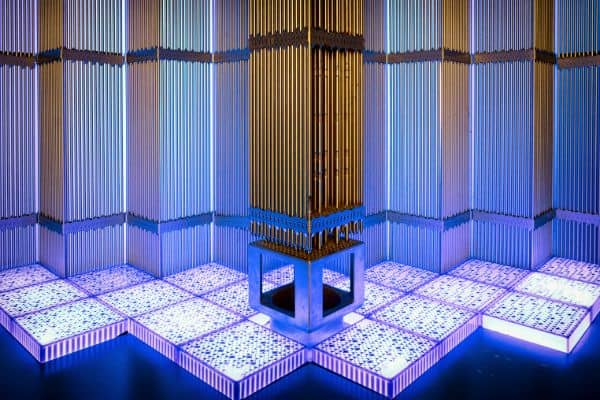
Zirconium metal is a critical material in nuclear power plants, where it is used for fuel cladding. Its key advantage lies in its very low neutron absorption cross-section, allowing neutrons to pass through with minimal resistance.
This property makes zirconium essential for maintaining efficient nuclear reactions while ensuring safety and reliability. Nuclear power remains an important low-carbon energy source, and zirconium is fundamental to its continued operation.
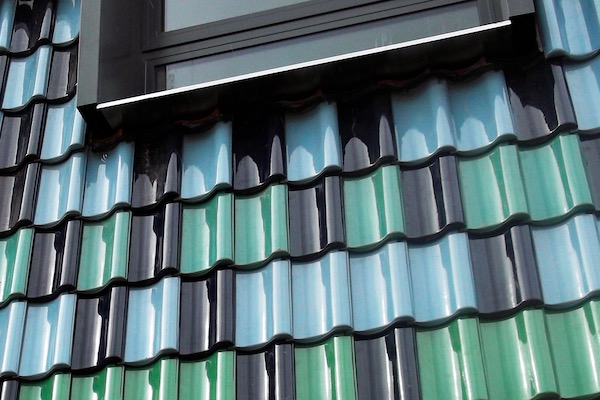
Zircon also contributes to sustainability through high solar reflectance. When used as a pigment in roof tiles, zircon reflects a broad spectrum of solar radiation.
This application helps address the urban heat island effect, a phenomenon where cities experience higher temperatures than surrounding rural areas due to construction materials that absorb solar energy. By reflecting sunlight rather than absorbing it, zircon-based roof tiles naturally cool buildings, reducing indoor temperatures and lowering the demand for air conditioning and associated energy use.
Zirconium-based ceramics are at the heart of solid oxide fuel cells (SOFCs) and solid oxide electrolyzer cells (SOECs)—two key technologies in the transition to low-carbon energy systems.
Materials such as Yttria-Stabilized Zirconia and Scandia-stabilized Yttria-Stabilized Zirconia are used in both the electrodes and electrolytes of these systems. Solid oxide fuel cells generate electricity with high efficiency, while solid oxide electrolyzers can operate in reverse mode to produce hydrogen. As hydrogen gains momentum as a clean energy carrier, zircon-based ceramics are becoming increasingly important.
Another highly impactful application of Yttria-Stabilized Zirconia is in oxygen sensors. These sensors are used in combustion engines and industrial combustion processes to measure oxygen concentration in exhaust gases.
The sensor feeds real-time data to the control unit, which adjusts the fuel-to-air ratio for optimal combustion. This ensures maximum efficiency, minimizes fuel waste, and reduces harmful emissions such as carbon monoxide and unburned hydrocarbons. Oxygen sensors are therefore essential for cleaner, more efficient combustion systems.

Zircon plays a dual role in automotive applications:
Together, these applications help modern vehicles meet stringent emissions standards while improving overall efficiency.
A life cycle assessment conducted in collaboration with Centro Ceramico in Bologna demonstrated the environmental benefits of using zircon as an opacifier in super-white porcelain tiles.
The study showed a 20–30% lower environmental impact across most assessed categories compared with competing solutions. Only ozone depletion potential showed similar results. These benefits stem from zircon’s high refractive index and strong opacifying power, which allow lower material usage while achieving superior performance.

Across energy generation, clean mobility, urban design, and advanced materials, zircon and zirconia are a cornerstone of sustainable innovation. Their unique physical and chemical properties enable higher efficiency, lower emissions, longer product lifetimes, and reduced environmental impact—making zircon a critical material in the transition toward a more sustainable future.