Zircon Industry Association, 24 Old Bond Street, Mayfair, London W1S 4AP, UK

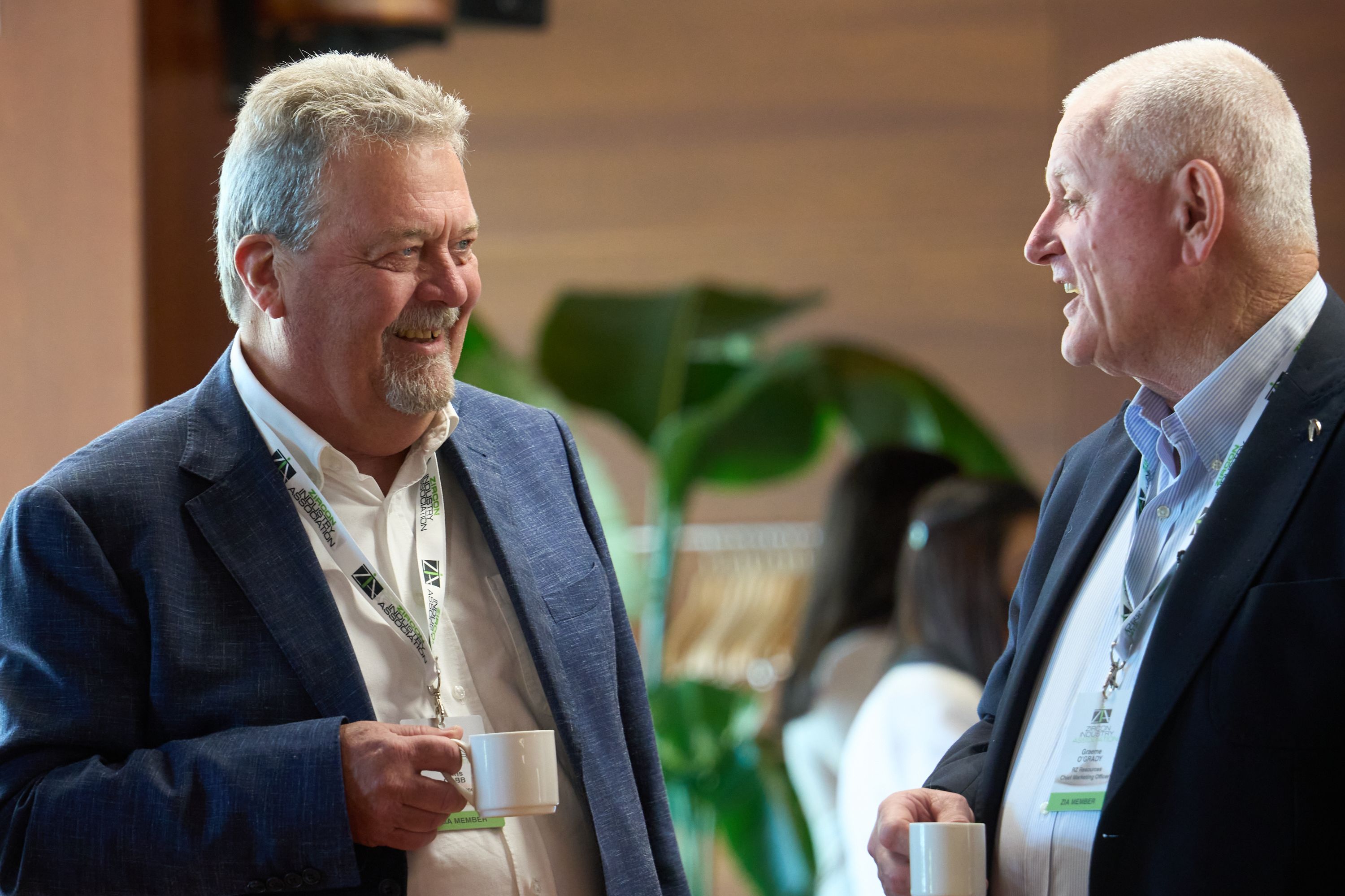
A recurring theme throughout the presentations was the growing strategic importance of zircon amid tightening global supply, increasing geopolitical uncertainty, and accelerating demand from advanced manufacturing, energy, and technology sectors.
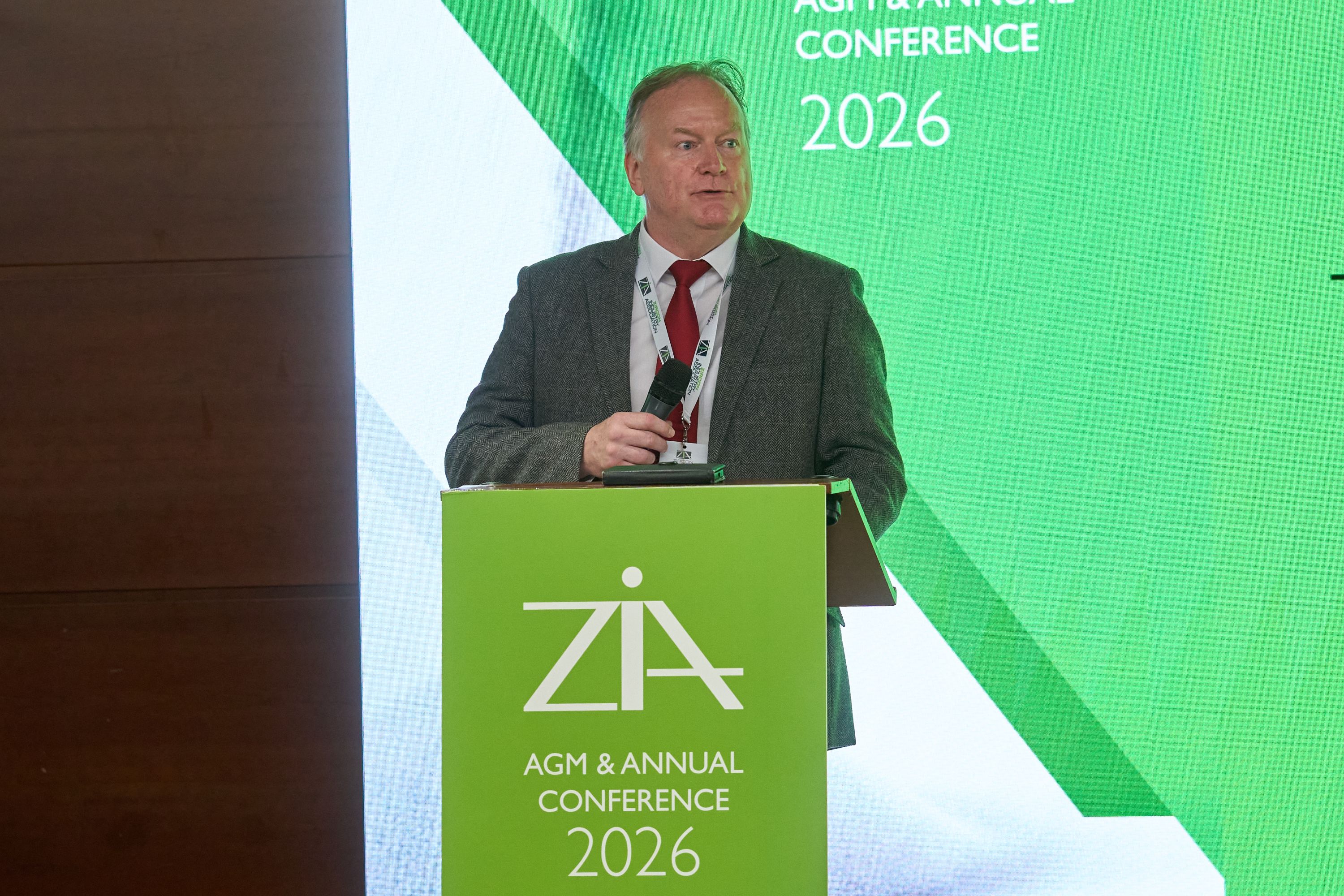
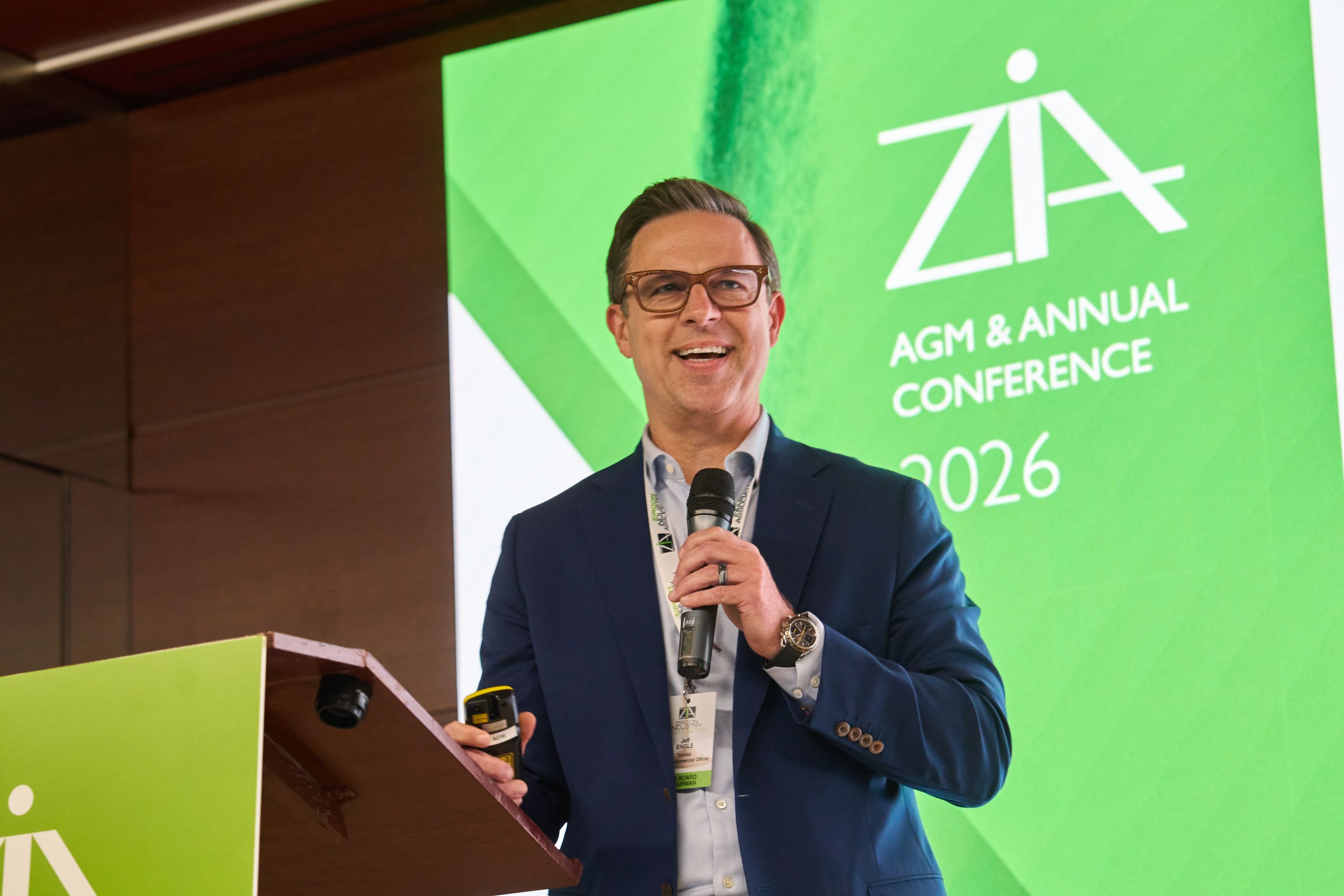
The conference opened with a keynote address by ZIA Chairman, Jeff Engle, who spoke about the volatility of the global situation and the impact of global events, notably in the Middle East, on logistics. In these uncertain times, he concluded that strategy and partnerships matter, emphasising ‘If you want to go fast, go alone; if you want to go far, go together, which is the value of our Zircon Industry Association.
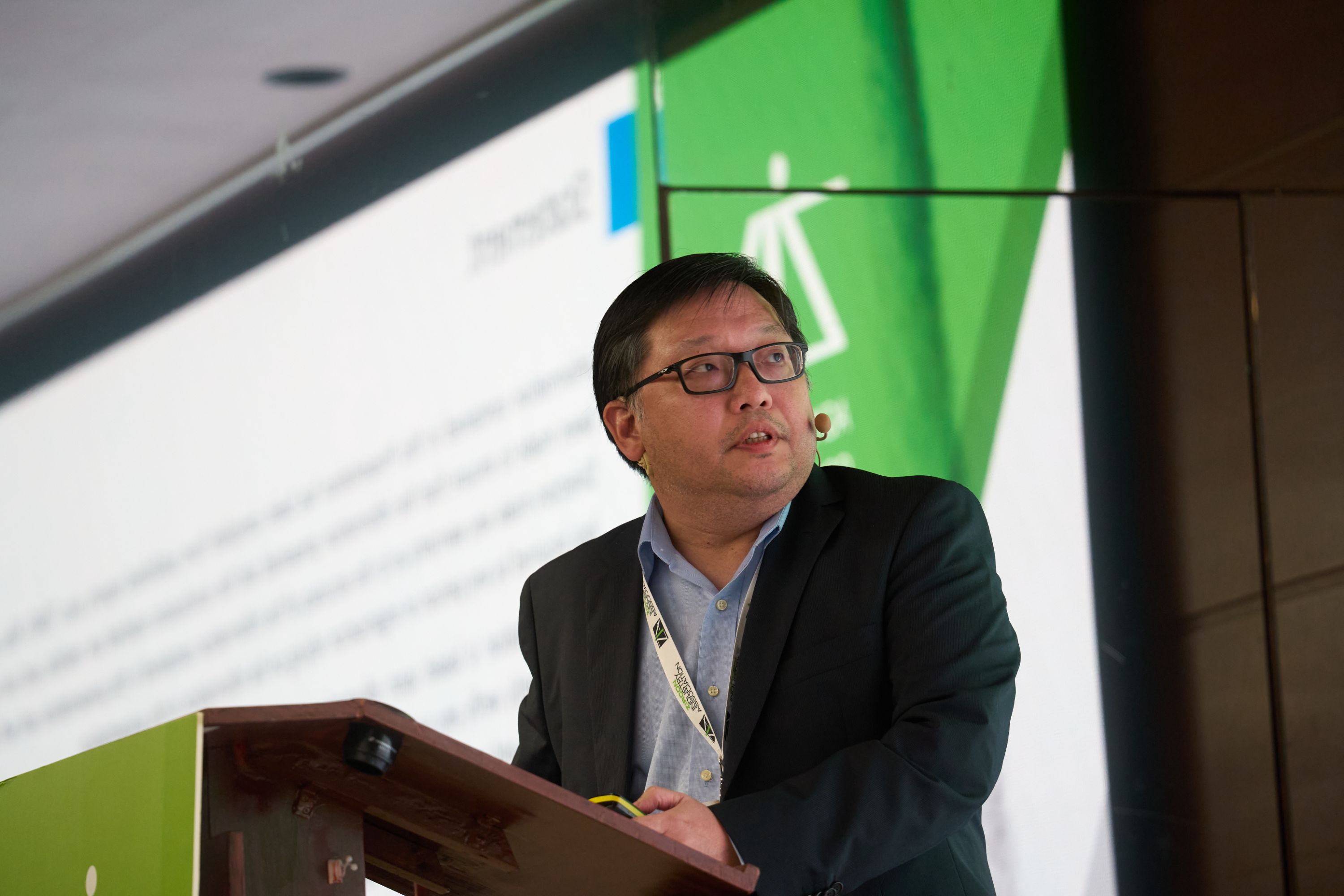
Daniel Fu, from TZMI, then offered an update on the global zircon market, concluding that if demand holds for the rest of the year, the zircon market is expected to be tighter this year, reflecting the anticipated temporary reduction in supply in several regions.
Rubén Ibáñez Bordonau, President, PortCastelló, spoke about the importance of the Valencian port as a gateway to the Spanish ceramics industry and explained the large-scale expansion and modernisation plan for the port.
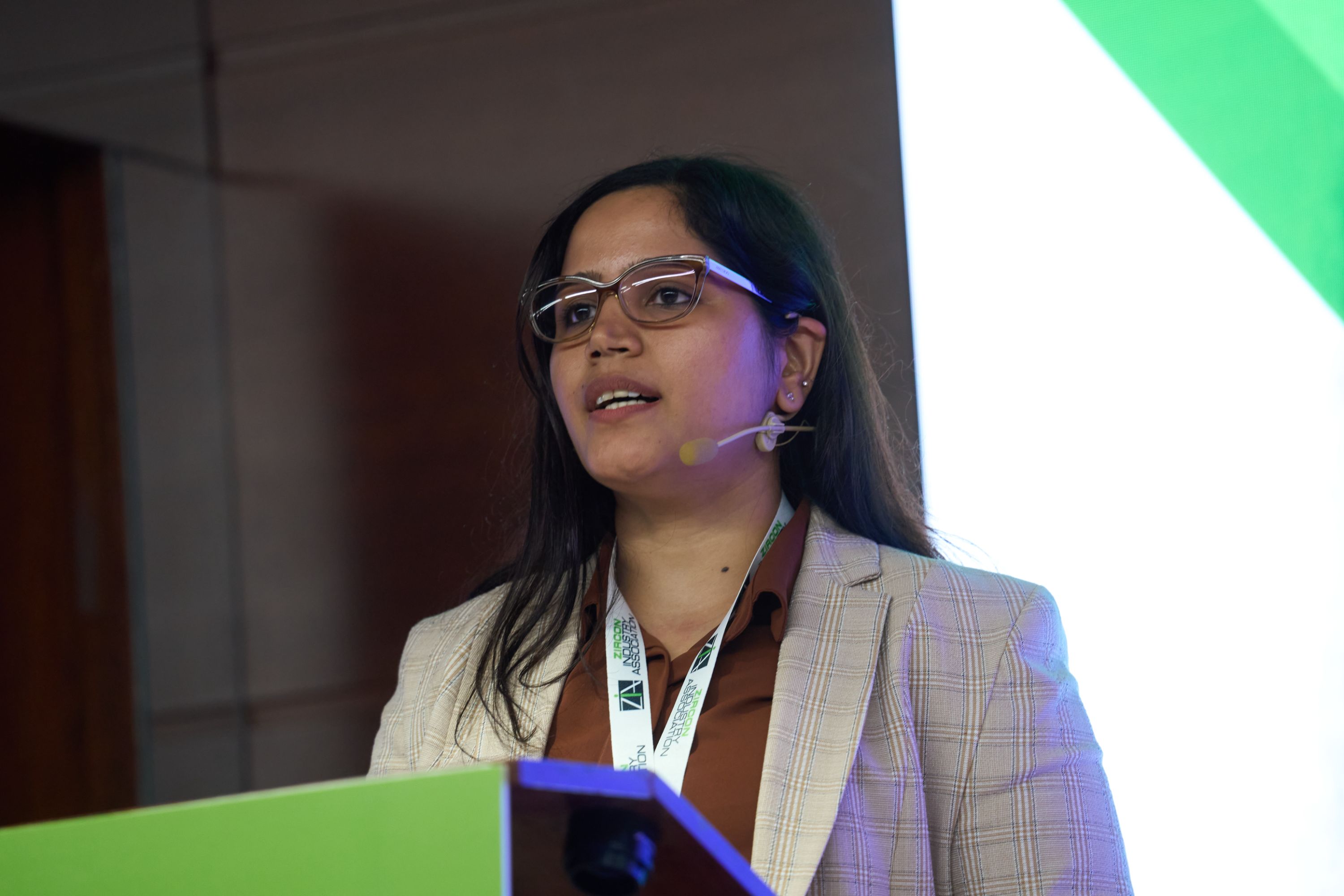
Anjana Singh, Lead Analyst at Beroe Inc., outlined why India is becoming a strategic hub within the global zircon value chain. She noted that the market is expected to shift further from buyer-favourable conditions toward supplier dominance by 2032. She suggested organisations can secure security of supply by building long-term partnerships, diversifying supplier bases, and investing in processing infrastructure.
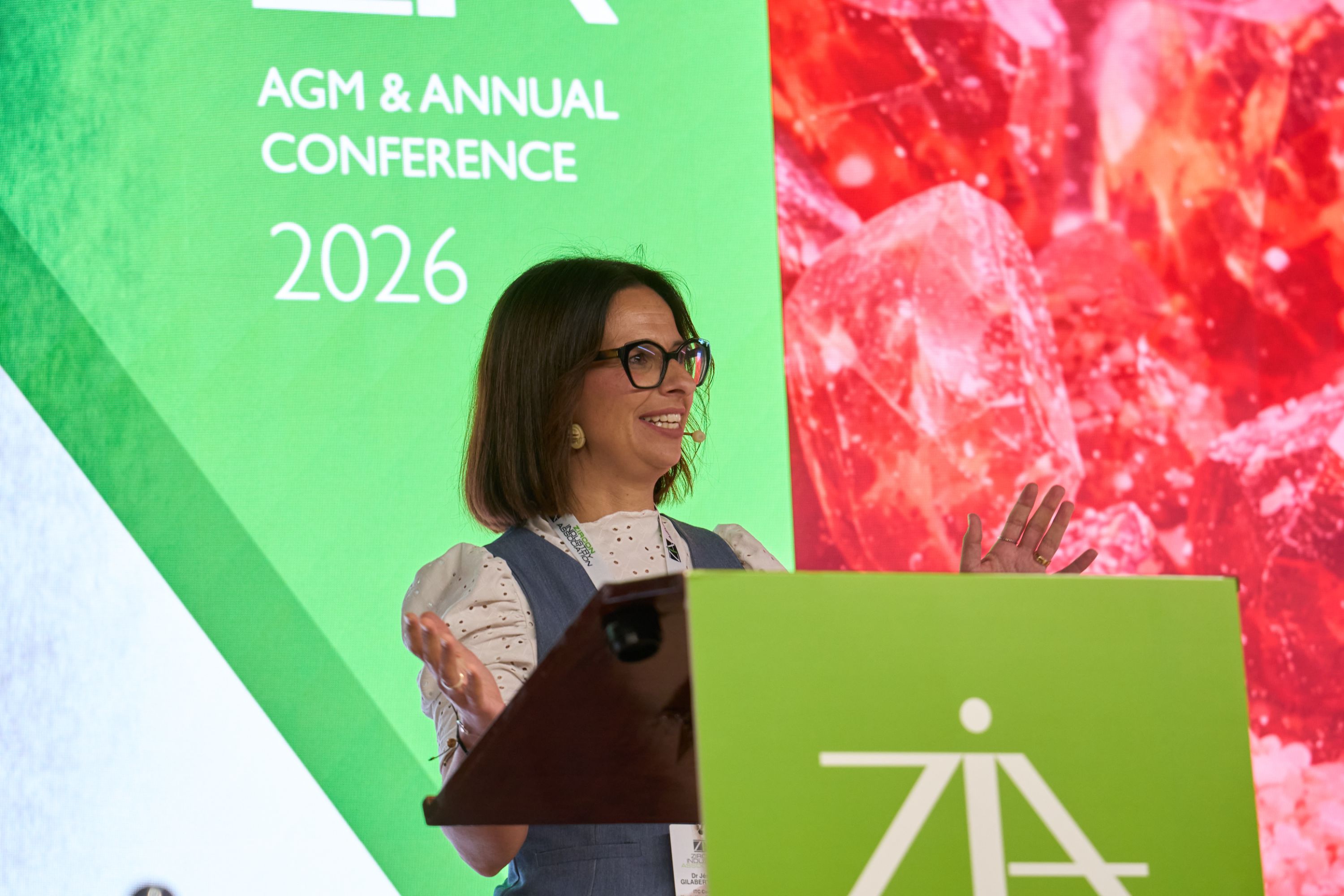
Dr Jéssica Gilabert, Senior Researcher at Spain’s Institute of Ceramic Technology, presented research into respirable crystalline silica (RCS) in zircon processing. Test results found that the milling of zircon sand to very fine powder did not increase the content of RCS.
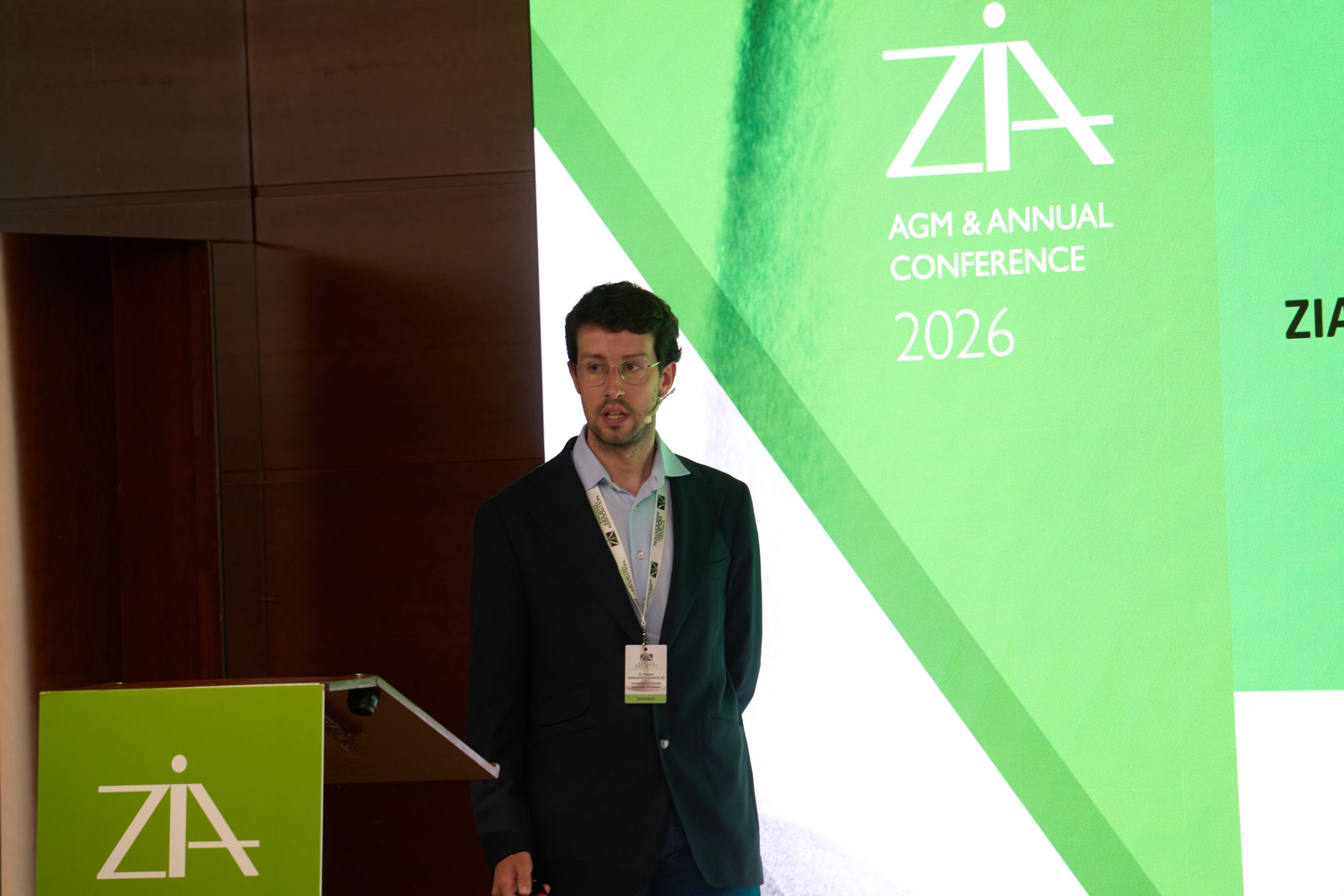
Innovation and decarbonisation were also major themes. Dr Daniel Fernández González from the Spanish National Research Council presented research into solar-assisted synthesis of zirconia and yttria-stabilised zirconia (YSZ). His presentation highlighted how concentrated solar energy offers a novel low-carbon option for producing zirconia from zircon sand.
Alister MacDonald, Director of TCMS, explored the growing importance of zirconium and hafnium in advanced semiconductors and the implications on meeting power demands for artificial intelligence servers.
Economic trends were addressed by economist Emily Mansfield, who provided an overview of the global economic outlook. She noted that escalating geopolitical tensions are expected to slow global GDP growth. She highlighted that economies are becoming increasingly focused on resilience through supplier diversification, energy sovereignty, and strategic investment initiatives.
The future role of zirconium in nuclear energy was examined by Simon Marshall, Managing Director of Independent Nuclear Expertise. Simon highlighted zirconium’s critical use in nuclear fuel cladding and projected that expanding global nuclear capacity could potentially double zirconium demand in that sector by 2050.
Technical advancements in mineral processing were also discussed. Yener Bicacki of Hosokawa Alpine presented technologies designed to improve processing efficiency and address evolving market requirements.
Carlos Olabe, CEO of the EICF, provided an overview of the investment casting sector and zircon’s essential role within it. He highlighted the broad range of industries driving demand for investment casting, concluding that zircon is a critical enabler of the world’s most demanding applications.
Environmental, social, and governance (ESG) issues featured prominently throughout the conference program.
Ted Rhodes, Partner – Mining & Minerals at CMS, examined the importance of maintaining secure and sustainable zircon supply chains. He highlighted the rapid evolution of international ESG regulations and standards, reminding that organisations failing to meet expectations could face legal, financial, operational, and reputational risks. Conversely, strong ESG performance can improve operational efficiency, enhance access to finance, and support workforce attraction and retention.
Sarah Hoang, ESG Consultant, presented her survey on ZIA members’ aims and aspirations regarding ESG. As well as her findings, she offered clear guidance to organisations relative to their ESG maturity.
Johannes Gediga, Director Sustainability Consulting – Metals & Mining at Sphera, added to the ESG discussions by reinforcing that ESG performance increasingly influences investor confidence, regulatory compliance, and long-term licence-to-operate.
On behalf of ZIA, Keven Harlow said, “This was another world class event for ZIA that brought together global industry leaders to review market dynamics, demand drivers, new applications, ESG developments and technological innovations shaping the zircon industry. ZIA's Annual Conference continues to be the heartbeat of the industry.”
Download 2026 Conference Programme
ZIA does not publish conference proceedings - only ZIA Members and event delegates benefit from the content of the conference and presentations.


Offering latest news updates, information on interesting uses of zircon and its derivatives or promoting events, ZIA aims to communicate the benefits of zircon and offer guidance on industry best practice.