Zircon Industry Association, 24 Old Bond Street, Mayfair, London W1S 4AP, UK

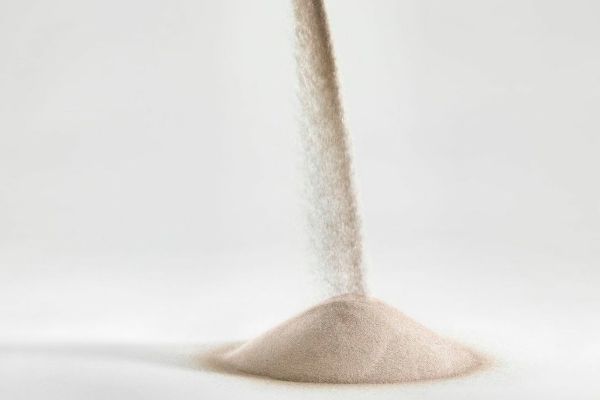
Zircon is a naturally occurring mineral composed of zirconium and silicon (zirconium silicate). It is mined as zircon sand, and from this a range of derivatives can be produced, including:
Each of these materials is used in entirely different industrial applications - many of which are critical to modern infrastructure and clean-energy technologies.
© Iluka
© Shutterstock
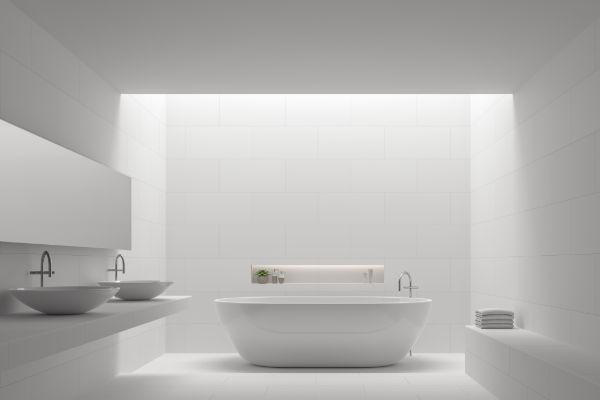
Nearly half of the world’s zircon is used in the ceramics industry, particularly in tiles, sanitary ware, and tableware.
Why so much?
Zircon’s high refractive index means it scatters the light very effectively. In practical terms, that means zircon-based opacifiers help ceramics achieve:
Without zircon, the ceramic surfaces we rely on - from kitchen tiles to bathroom fixtures - would look very different and not as aesthetically pleasing.
Zircon’s characteristics make it ideal for other high-temperature and high-performance applications:
Zircon and zirconia excel in high-temperature environments. Zirconia has:
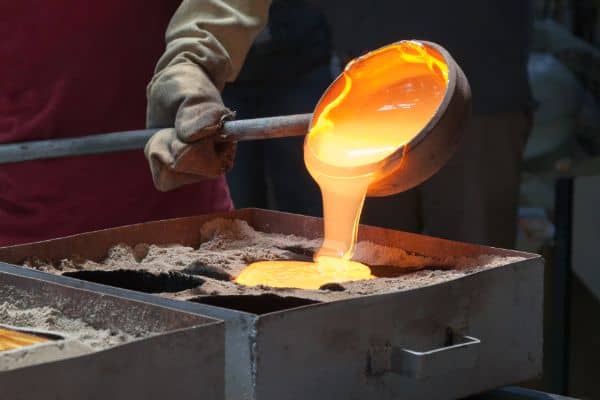
These properties make it indispensable in high-temperature processes such as continuous steel casting, where materials must withstand molten metal without degrading.

© iStock
© iStock
In investment casting, zircon:
This combination of stability and precision makes it highly valued in metal manufacturing.
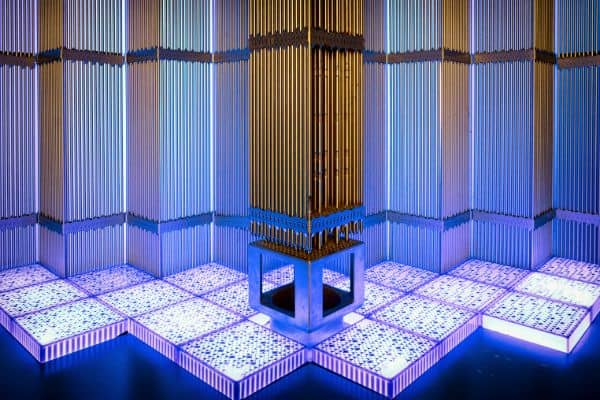
Zirconium metal allows neutrons to pass through with minimal absorption, which is a crucial property for nuclear fuel cladding. It surrounds nuclear fuel rods, allowing the chain reaction to continue efficiently while maintaining structural integrity. Zirconium's properties support safer, more efficient nuclear power - one of the lowest-carbon energy sources available.
© iStock

© iStock
Zirconium oxychloride and other zirconium chemicals serve as feedstocks for producing:
These chemicals form the backbone of many manufacturing processes
Perhaps most exciting, as industries push toward sustainability, zircon and zirconia are right at the centre of innovation.
Yttria-stabilized zirconia is widely used to coat turbine blades in gas turbines. Its benefits include:
Higher operating temperatures mean greater efficiency and lower fuel consumption, ultimately reducing CO₂ emissions.
Zircon has a high solar reflectance.
When added to roof tiles, it helps reflect sunlight rather than absorb it, reducing the urban heat island effect and cooling buildings naturally.
This contributes to lower energy consumption for air conditioning.

© Smithbrook Building Products
The global shift toward hydrogen and low-carbon energy makes zirconia increasingly valuable. Yttria-stabilized zirconia and scandia-stabilized zirconia are essential components of:
These systems either:
Both pathways are critical for a decarbonised energy infrastructure.
Zircon and zirconia contribute to cleaner air in two key automotive applications:

© Pixaby

© iStock
In the medical world, zirconia is prized for its:
Such properties make it ideal for use in dental implants, crowns, and bridges and orthopaedic implants.
A recent Life Cycle Assessment (LCA) undertaken with Centro Ceramico (Bologna, Italy) evaluated zircon’s environmental impact as an opacifier in super-white porcelain tiles.
Key findings:
Because zircon’s high refractive index allows smaller quantities to achieve high whiteness, it delivers both performance and environmental efficiency.

© Shutterstock

Zircon additions may be small, but their impact is significant - spanning everything from the tiles beneath our feet to the technologies powering tomorrow’s clean energy systems.
Its unique properties make it essential across industries, while emerging innovations - especially in hydrogen, fuel cells, and sustainable construction - promise to boost its importance even further.
For people exploring materials that will support a low-carbon, high-tech future, zircon has an important role to play.